
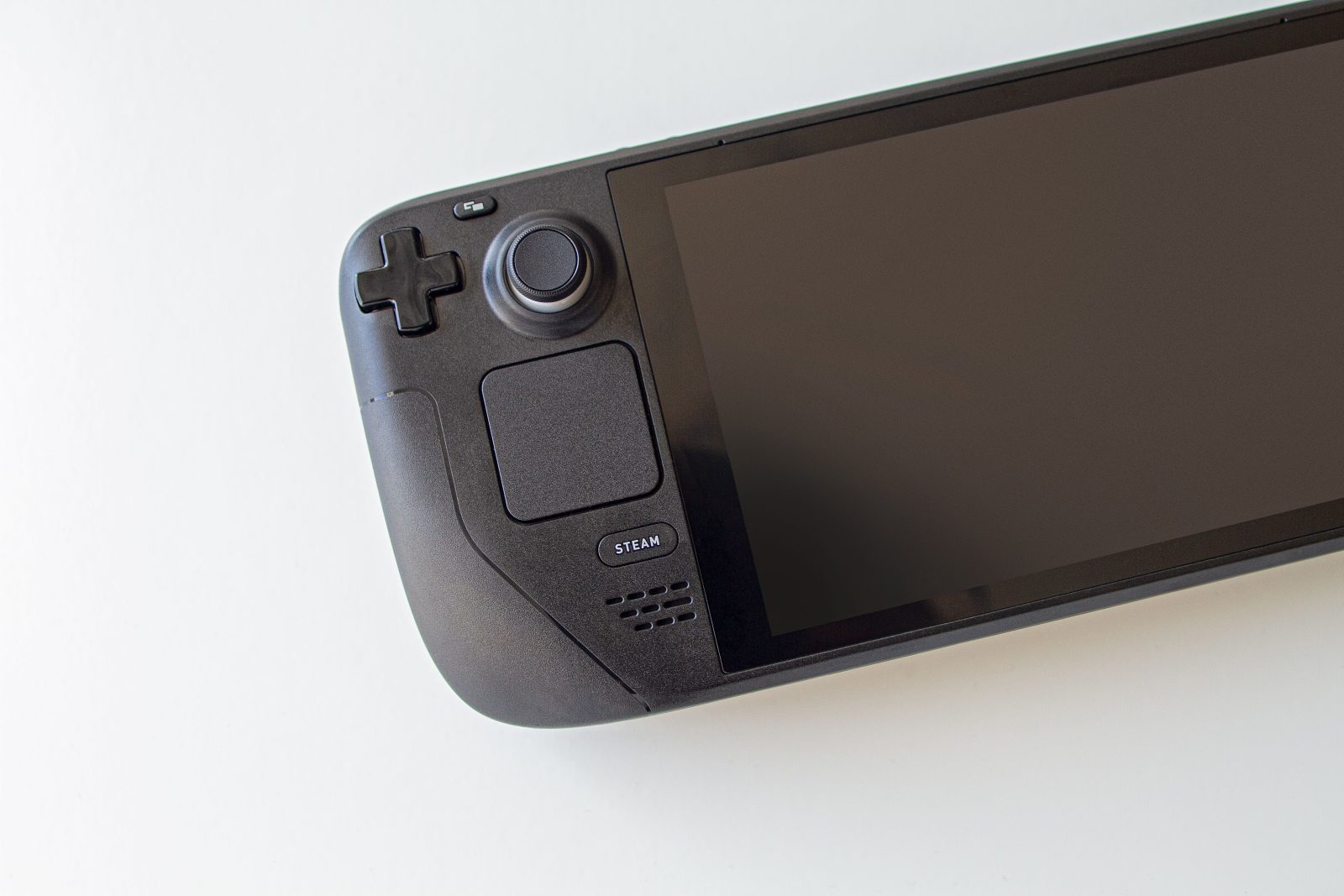

Have you ever wondered if the newest Nintendo Switch OLED model or the impressive Steam Deck is the right choice for your gaming needs?
Both these devices have stirred up much excitement in the gaming community with their unique offerings. Let’s delve into the Nintendo Switch OLED vs. Steam Deck: Key Differences to uncover which one might be the best fit for various types of users, whether you’re a casual gamer or someone looking for a more robust gaming experience.
Quick Overview of Both Products
Nintendo Switch OLED
The Nintendo Switch OLED is the latest iteration of Nintendo’s popular Switch console, featuring a vibrant 7-inch OLED screen that promises more vivid colors and higher contrast. This handheld device isn’t just portable; it’s versatile enough to be docked and connected to a TV, providing a flexible gaming experience.
Steam Deck
Developed by Valve Corporation, the Steam Deck is effectively a portable PC, optimized for gaming. It resembles a larger, bulkier handheld console with a 7-inch touchscreen, backed by hardware capable of running PC games. It runs on a Linux-based operating system called SteamOS and offers access to the vast library of games on Steam.
Who Each Product is Designed For
Nintendo Switch OLED
- Casual to mid-level gamers looking for versatility in both portable and home gaming.
- Nintendo enthusiasts and those who prefer exclusive Nintendo games like Zelda or Mario.
- Families needing a device that is user-friendly and accessible for all ages.
Steam Deck
- PC gamers who desire portability without sacrificing access to their Steam library.
- Tech-savvy users who may enjoy tweaking and customizing their operating system or playing around with more advanced settings.
- Those who prefer high-fidelity graphics in a portable format.
Side-by-Side Comparison Table
| Feature | Nintendo Switch OLED | Steam Deck |
|---|---|---|
| Screen | 7-inch OLED display | 7-inch LCD |
| Battery Life | 4.5 – 9 hours | 2 – 8 hours |
| Storage | 64GB (expandable) | 64GB to 512GB SSD |
| Online Services | Nintendo Switch Online | Steam |
| Exclusive Titles | Yes (Nintendo games) | None |
Design and Build Quality
Nintendo Switch OLED
The Switch OLED sports a sleek, lightweight design with a standout feature: its vibrant OLED screen. It’s built to feel robust, yet remains light enough for long gaming sessions comfortably.
Steam Deck
The Steam Deck looks more utilitarian with a focus on performance. It’s heavier and bulkier, designed to pack in as much computing power as possible into a portable device.
Features Comparison
Both systems boast touch screens and can connect to external displays, but the Nintendo Switch OLED offers detachable Joy-Con controllers, which adds a layer of versatility, especially handy for local multiplayer gaming. The Steam Deck, on the other hand, amps up connectivity with USB-C and the ability to function as a full PC when docked.
Performance Comparison
The Steam Deck is a powerhouse, meant to handle detailed and resource-intensive PC games. The Switch OLED, while effective within its hardware capabilities, is not designed for high-end graphics but instead focuses on delivering a seamless and consistent gaming experience.
Comfort and Ease of Use
The ergonomic design of the Nintendo Switch OLED makes it more comfortable for extended handheld play compared to the bulkier Steam Deck, which might feel heavy after a while. The Switch’s user interface is also more straightforward, suitable for all age groups.
Durability and Reliability
Both units are designed to be durable, though the Nintendo Switch OLED’s less complex internals might give it a slight edge in reliability over the long term, particularly for less tech-savvy users.
Maintenance and Warranty
Standard warranties apply to both devices, with one year of coverage for manufacturing defects. Maintenance for the Nintendo Switch OLED tends to be simpler due to its less complex system compared to the Steam Deck’s PC-like architecture.
Price and Value for Money
The Nintendo Switch OLED comes in cheaper than the Steam Deck, providing good value for those who are primarily interested in gaming without needing PC-level game detail or customization.
Pros and Cons of Each Product
Nintendo Switch OLED:
- Pros: Portable, versatile, great screen, user-friendly.
- Cons: Less powerful, limited to Nintendo games and other console-style titles.
Steam Deck:
- Pros: High performance, vast game library, PC features.
- Cons: Bulkier, shorter battery life, higher price.
Which Product is Best for Beginners
The Nintendo Switch OLED is undoubtedly more beginner-friendly thanks to its intuitive design and ease of use.
Which Product is Best for Advanced Users
Advanced users will likely prefer the Steam Deck for its enhanced capabilities and access to a broader range of software and games.
Which Product Offers the Best Value
For gamers looking for versatility and family-friendly options, the Nintendo Switch OLED is unbeatable. Meanwhile, for those preferring robust gaming experiences akin to those on a high-end PC, the Steam Deck is worth the investment.
Common Mistakes Buyers Make When Choosing Between These Products
Many buyers underestimate the importance of considering what types of games they prefer or whether they need the device to be more than just a gaming console, leading to dissatisfaction with the device’s limitations or overkill features.
Frequently Asked Questions (FAQ)
- Can the Steam Deck play all Steam games?
- While the Steam Deck is compatible with a vast number of games, compatibility can vary, especially with games requiring high specs.
- Is the Nintendo Switch OLED backward compatible with all Switch games?
- Yes, it supports all existing Switch games.
Final Verdict: Which Should You Buy?
The choice between the Nintendo Switch OLED and the Steam Deck boils down to your personal gaming needs and preferences:
- For beginners or those who value simplicity and portability: The Nintendo Switch OLED.
- For PC gamers or those seeking high-performance gaming on the go: The Steam Deck.
Both provide uniquely enticing features, and the best part is choosing is all about what makes gaming fun for you! Whether you’re settling into a long session at home or squeezing in a quick game on a commute, each of these devices strives to elevate your gaming experience in their way. Make your choice based on what fits best into your gaming lifestyle!